Understanding Neurogenic Orthostatic Hypotension (nOH) in Parkinson’s Disease
Written by: Dr. Elizabeth Abare, PT, DPT
HAPT Physical Therapist
Dizziness when standing. Feeling lightheaded after a meal. Sudden weakness. Feeling like you might faint or actually fainting.
For someone living with Parkinson’s disease, these symptoms may be more than an occasional episode of “low blood pressure.” They may be signs of neurogenic orthostatic hypotension (nOH), an important but sometimes under-recognized non-motor complication of Parkinson’s disease.
In an episode of the Davis Phinney Foundation’s The Parkinson’s Podcast, movement disorder specialist Dr. Salima Brillman discusses what nOH is, why it occurs, how it can affect daily life, and strategies that may help manage it. The conversation includes lifestyle changes, medication options, strategies for managing symptoms, and the importance of communicating symptoms to your healthcare team.
Dizziness when standing. Feeling lightheaded after a meal. Sudden weakness. Feeling like you might faint or actually fainting.
For someone living with Parkinson’s disease, these symptoms may be more than an occasional episode of “low blood pressure.” They may be signs of neurogenic orthostatic hypotension (nOH), an important but sometimes under-recognized non-motor complication of Parkinson’s disease.
In an episode of the Davis Phinney Foundation’s The Parkinson’s Podcast, movement disorder specialist Dr. Salima Brillman discusses what nOH is, why it occurs, how it can affect daily life, and strategies that may help manage it. The conversation includes lifestyle changes, medication options, strategies for managing symptoms, and the importance of communicating symptoms to your healthcare team.
What Is Neurogenic Orthostatic Hypotension?
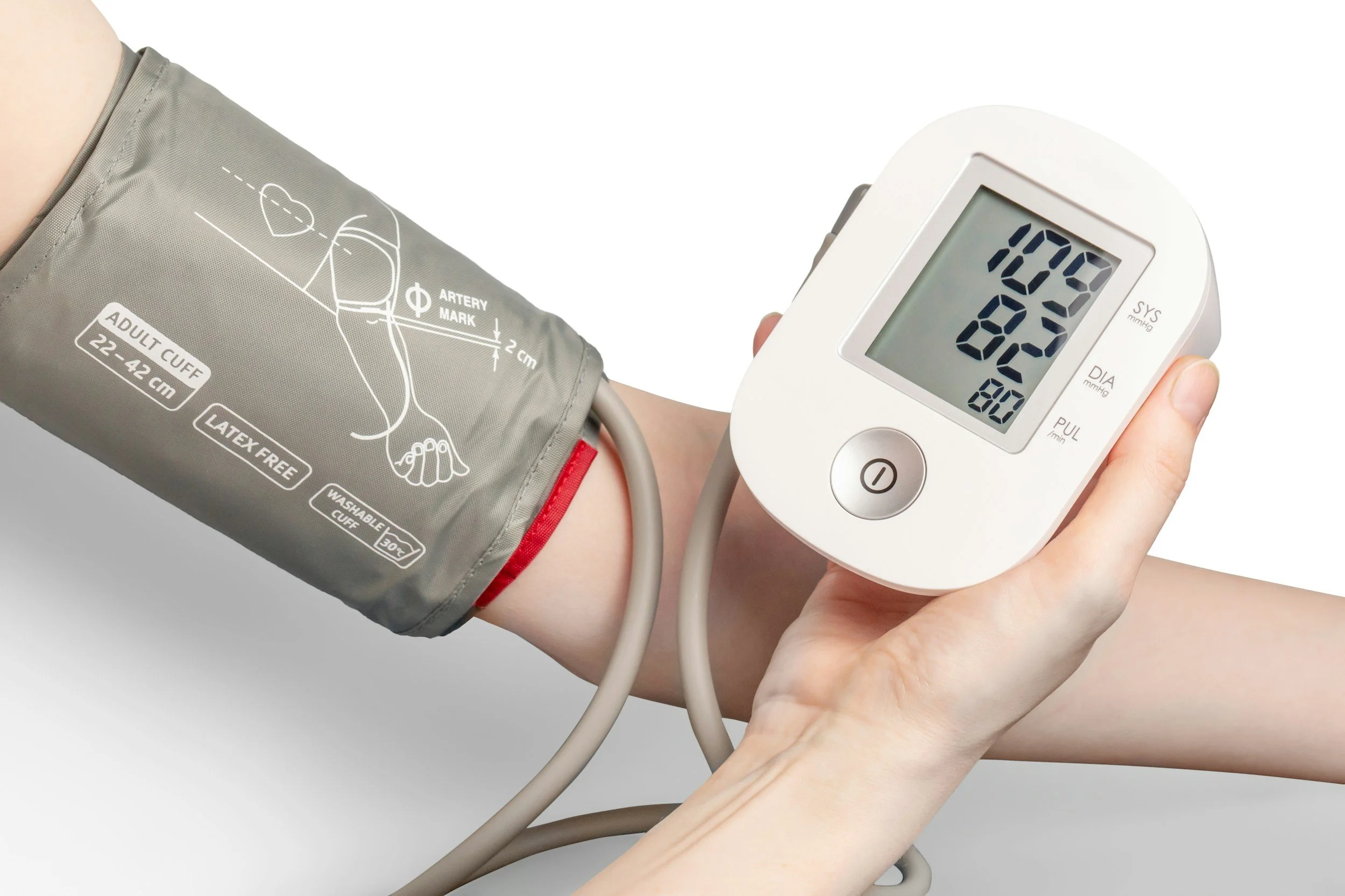
Orthostatic hypotension, or OH, describes a drop in blood pressure associated with a change in position, typically when moving from lying or sitting to standing.
Neurogenic orthostatic hypotension (nOH) is a specific type of orthostatic hypotension caused by dysfunction of the autonomic nervous system.
nOH can occur in neurological conditions such as:
Parkinson’s disease
Multiple system atrophy (MSA)
Lewy body dementia
Other disorders affecting the autonomic nervous system
Normally, when we stand, gravity causes blood to move toward the legs. The nervous system responds by helping the blood vessels constrict so that adequate blood flow continues to the heart and brain.
With nOH, this automatic response does not work as effectively. Blood may pool in the lower body, contributing to a drop in blood pressure and symptoms when a person is upright.
nOH Isn’t Always Just Dizziness
One important message from the podcast is that nOH can present in different ways.
Symptoms may include:
Dizziness
Lightheadedness
Weakness
Feeling faint
Near-fainting
Fainting
Fatigue
Nausea
Headache
Symptoms may be more noticeable at certain times of day or after certain activities, including standing up or eating a meal.
For someone with Parkinson’s disease, these symptoms can have a significant impact on everyday function.
A sudden episode of lightheadedness or fainting while standing, walking, transferring, or navigating stairs can also create a serious fall and injury risk.
Look at the Whole Picture
Before simply adding another medication, it is important for the healthcare team to understand when symptoms are happening and what may be contributing to them.
Some medications may contribute to low blood pressure, including certain medications used to manage Parkinson’s disease.
Symptoms may also be influenced by:
Medication timing
Meals
Hydration
Position changes
Activity
Time of day
One practical strategy is to keep a record of symptoms.
Consider writing down:
What did you feel?
What were you doing when it happened?
Were you lying down, sitting, or standing?
What time did it happen?
Had you recently eaten?
When had you taken your medications?
Did sitting or lying down improve your symptoms?
Did you fall, faint, or nearly faint?
Sharing this information with your neurologist or healthcare provider may help identify patterns and guide treatment.
Lifestyle Strategies for Managing nOH
Lifestyle and behavioral strategies are often an important part of managing nOH.
Depending on the individual and recommendations from their healthcare team, strategies may include:
Stay Hydrated
Adequate hydration can help support blood volume and blood pressure.
Discuss Salt Intake With Your Healthcare Provider
Increasing dietary sodium may be appropriate for some people with nOH, but it is not appropriate for everyone.
Always discuss significant changes in salt intake with your healthcare provider.
Consider Compression Garments
Waist-high compression stockings and/or abdominal compression may help reduce blood pooling in the lower body.
Change Positions Slowly
When moving from lying down to standing, consider progressing gradually:
Lying → Sitting → Standing
Allow your body time to adjust at each position.
Consider Smaller Meals
Large meals, particularly meals high in carbohydrates, may contribute to a drop in blood pressure for some individuals.
Stay Active Safely
Exercise is important for maintaining strength, mobility, balance, and overall function.
For some individuals with nOH, seated or recumbent exercise may be better tolerated than prolonged upright exercise.
Exercise should be individualized based on symptoms, medical history, and safety.
Medications That May Help Manage nOH
When lifestyle strategies are not enough to adequately manage symptoms, medication may be considered.
Common medications discussed in the management of nOH include:
Midodrine
Midodrine helps blood vessels constrict, which can increase blood pressure.
Because it can also raise blood pressure while lying down, the timing of doses is important.
Droxidopa
Droxidopa is converted by the body to norepinephrine.
Norepinephrine plays an important role in helping regulate blood pressure and vascular responses. Droxidopa may be used to help reduce symptoms associated with nOH.
Fludrocortisone
Fludrocortisone helps the body retain sodium and water.
This can increase blood volume and subsequently increase blood pressure. Because it affects fluid and electrolyte balance, patients taking fludrocortisone may require medical monitoring.
Pyridostigmine
Pyridostigmine may help some individuals by influencing communication within the autonomic nervous system.
It may sometimes be used alone or in combination with other treatment strategies.
Medication Management Requires Medical Supervision
There is no single medication or treatment plan that is appropriate for everyone with nOH.
Treatment may depend on:
Symptoms
Other medical conditions
Current medications
Blood pressure patterns
Fall history
Response to previous treatments
Presence of supine hypertension
Medications that increase standing blood pressure may also increase blood pressure while lying down.
Never start, stop, or change a medication without discussing it with your physician or other qualified healthcare provider.
Why nOH Matters in Physical and Occupational Therapy
For physical and occupational therapists working with people with Parkinson’s disease, nOH is not simply a blood-pressure issue.
It can become a mobility, safety, independence, and participation issue.
Symptoms may interfere with:
Getting out of bed
Standing from a chair
Showering and dressing
Preparing meals
Walking around the home
Navigating stairs
Exercising
Leaving the home
Participating in community activities
Fear of dizziness or falling may also cause someone to become less active.
Over time, reduced activity can contribute to weakness, decreased endurance, impaired balance, and further loss of independence.
For individuals receiving skilled rehabilitation, changes in cardiovascular function may also require ongoing assessment and modification of the exercise program for safety. HAPT documentation guidance specifically recognizes fluctuating cardiovascular function as a factor that can require assessment and modification during treatment.
How Physical and Occupational Therapy Can Help
For someone with Parkinson’s disease and nOH, rehabilitation may need to account for both neurological and cardiovascular factors.
An individualized therapy program may include:
Monitoring symptoms and cardiovascular responses during activity
Education regarding safe positional changes
Balance and fall-prevention training
Strengthening
Gait and mobility training
Transfer training
Seated or recumbent exercise when appropriate
Environmental modifications
Energy-conservation strategies
Caregiver education
Strategies to improve safety with activities of daily living
Communication with the patient’s healthcare team when concerning symptoms are identified
The therapist may also need to modify the intensity, position, duration, or type of exercise based on the individual’s response.
Don’t Ignore the Symptoms
One of the most important takeaways from Dr. Brillman’s discussion is that people with Parkinson’s disease and their care partners should talk about these symptoms rather than simply accepting them as part of Parkinson’s disease or aging.
If you experience dizziness, lightheadedness, unusual weakness, near-fainting, or fainting when you stand, tell your healthcare provider.
Keep track of when symptoms happen and what you were doing at the time.
Identifying nOH and developing an individualized management plan may help:
Reduce symptoms
Improve safety
Decrease fall risk
Support mobility and exercise
Maintain independence
Keep you participating in the activities that matter most
Listen to the Full Podcast
For a deeper discussion of neurogenic orthostatic hypotension, including symptoms, lifestyle strategies, medications, and considerations for people living with Parkinson’s disease, listen to:
The Parkinson’s Podcast: Understanding nOH (Neurogenic Orthostatic Hypotension) with Dr. Salima Brillman
Davis Phinney Foundation for Parkinson’s
🎧 Watch or listen on YouTube:
Understanding nOH with Dr. Salima Brillman – The Parkinson’s Podcast
How Healthy Aging Physical Therapy Can Help
At Healthy Aging Physical Therapy (HAPT), we provide at-home physical and occupational therapy with specialized services for older adults and people living with Parkinson’s disease.
Our approach focuses on helping people:
Improve balance
Reduce fall risk
Maintain strength and mobility
Exercise safely
Navigate their home environment
Maintain independence
Continue participating in meaningful activities
Move Better. Feel Better. Live Better.
Healthy Aging Physical Therapy
📞 (617) 398-4508
🌐 HealthyAgingPT.com
Medical Disclaimer
This article is for educational purposes only and is not a substitute for individualized medical advice, diagnosis, or treatment. Blood-pressure management, medication changes, fluid intake, and sodium intake should be discussed with your physician or other qualified healthcare provider.