

Healthy Aging Physical Therapy Monthly Blog
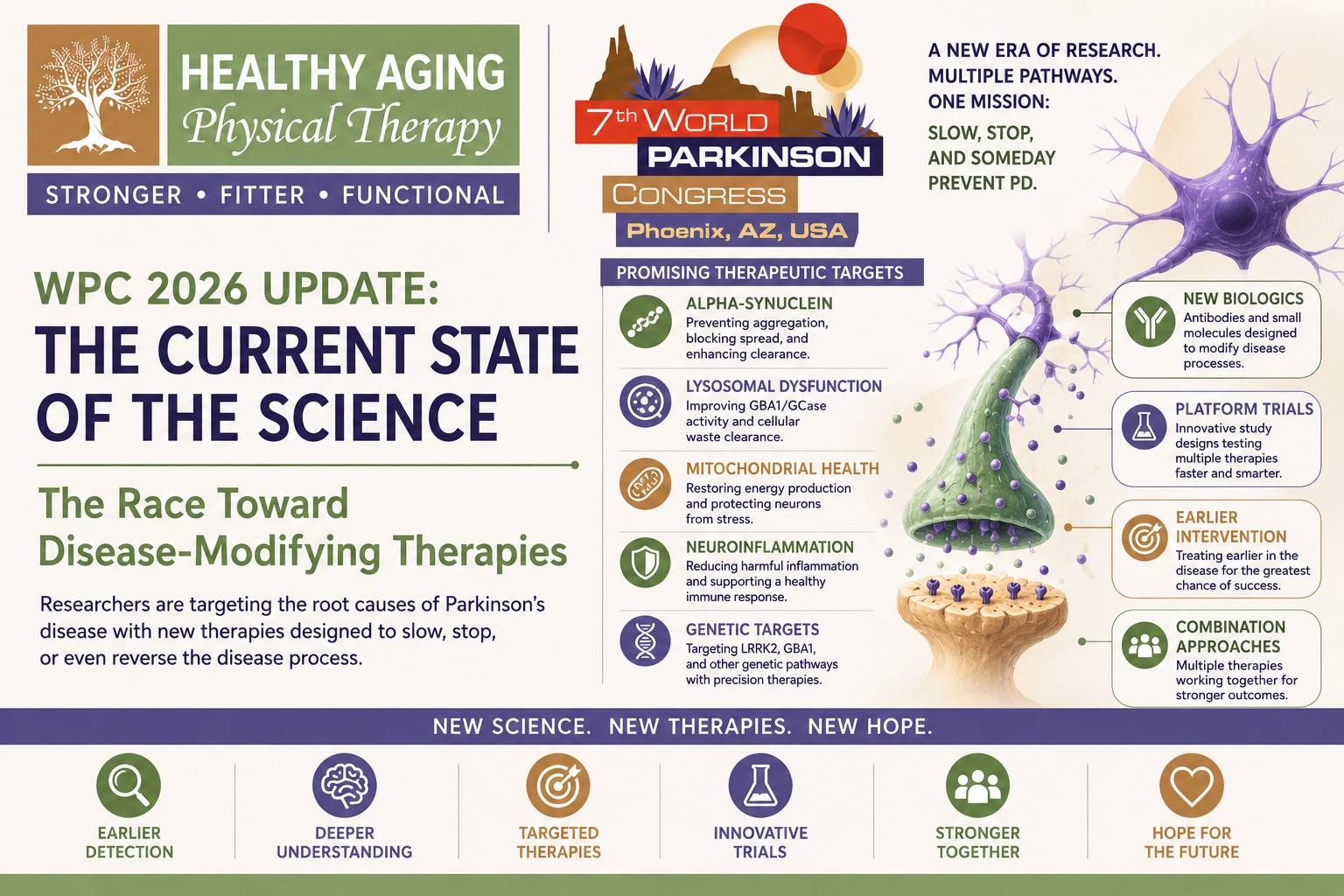
WPC 2026 Update: The Current State of the Science - the Race Toward Disease-Modifying Therapies
From alpha-synuclein antibodies to genetic therapies and platform trials, researchers are pursuing multiple paths toward slowing—or someday stopping—Parkinson's disease progression.
From alpha-synuclein antibodies to genetic therapies and platform trials, researchers are pursuing multiple paths toward slowing—or someday stopping—Parkinson's disease progression.
For decades, Parkinson's disease treatment has focused primarily on managing symptoms.
And to be clear, those treatments have changed countless lives.
Medications like levodopa, dopamine agonists, deep brain stimulation, physical therapy, exercise, speech therapy, and occupational therapy can dramatically improve function and quality of life.
But there has always been one frustrating reality:
None of these treatments have definitively been shown to slow the underlying disease process.
They help people live better with Parkinson's disease.
They do not yet stop Parkinson's disease from progressing.
That is why one of the most exciting themes at the World Parkinson Congress was the growing focus on disease-modifying therapies, often referred to as DMTs.
Rather than simply treating symptoms, disease-modifying therapies aim to slow, alter, or interrupt the biological processes driving Parkinson's disease itself.
In other words, the goal is not simply to help someone move better today.
The goal is to help preserve brain function tomorrow.
Why Has Developing Disease-Modifying Therapies Been So Difficult?
One of the biggest challenges in Parkinson's disease research is timing.
As discussed in previous articles, researchers increasingly believe Parkinson's disease may begin 10–20 years before diagnosis.
By the time tremor, stiffness, slowness, or balance problems become obvious, substantial neuronal loss has often already occurred.
Researchers frequently estimate that 50% or more of dopamine-producing neurons may already be gone by the time symptoms emerge.
This means many therapies may be starting after significant damage has already occurred.
Another challenge is that Parkinson's disease is biologically complex.
There is no single pathway to target.
Instead, researchers are trying to address multiple interacting processes including:
Alpha-synuclein aggregation
Lysosomal dysfunction
Mitochondrial dysfunction
Neuroinflammation
Genetic risk pathways
Cellular energy failure
Impaired protein clearance
The result is a rapidly expanding treatment pipeline that looks very different from what existed even ten years ago.
Target #1: Alpha-Synuclein
If there was one target discussed more than any other at WPC, it was alpha-synuclein.
As we discussed in the previous article, alpha-synuclein is a normal protein that becomes problematic when it misfolds, aggregates, and forms Lewy bodies.
Researchers are pursuing several strategies:
Preventing alpha-synuclein aggregation
Breaking apart existing aggregates
Improving protein clearance
Blocking cell-to-cell spread
Reducing alpha-synuclein production
Prasinezumab
One of the most closely watched therapies is Prasinezumab.
Prasinezumab is a monoclonal antibody designed to bind alpha-synuclein and potentially reduce its spread throughout the nervous system.
Early studies, including the PASADENA trial, did not meet their primary endpoints.
At first glance, this sounds disappointing.
However, longer-term follow-up suggested participants who continued treatment may have experienced slower progression over time.
While far from a definitive success, these findings have kept interest alive and additional studies continue.
One of the strongest messages from researchers was that failed trials do not necessarily mean failed science.
Sometimes they simply mean we have not yet identified the right patients, the right timing, or the right outcome measures.
Target #2: GBA1 & Lysosomal Dysfunction
One of the most promising areas of Parkinson's research focuses on the cell's waste-disposal system.
The GBA1 gene produces an enzyme called glucocerebrosidase (GCase), which helps cells clear damaged proteins and waste products.
When this system becomes impaired, alpha-synuclein may accumulate more easily.
Ambroxol
One of the most exciting therapies currently being studied is Ambroxol.
Originally developed as a cough medication, Ambroxol appears capable of increasing GCase activity and improving lysosomal function.
Researchers hope this will improve protein clearance and reduce alpha-synuclein accumulation.
The ongoing ASPRO-PD Phase 3 trial is evaluating whether these biological effects translate into meaningful clinical benefits.
ACTIVATE Trial
The ACTIVATE study is evaluating Pariceract, a therapy designed to enhance GCase activity.
Unlike many previous studies, ACTIVATE specifically enrolls individuals with GBA1 mutations, representing a move toward precision medicine and targeted treatment approaches.
Target #3: LRRK2
LRRK2 is one of the most important Parkinson's disease genes identified to date.
Researchers believe abnormal LRRK2 activity may contribute to:
Inflammation
Lysosomal dysfunction
Cellular stress
Neuronal injury
The goal of LRRK2 therapies is to reduce excessive activity of the LRRK2 protein.
LUMA Trial
The LUMA trial evaluated a LRRK2 inhibitor in Parkinson's disease.
Although the Phase 2 study did not meet its primary clinical endpoint, researchers successfully demonstrated that the drug reduced LRRK2 activity biologically.
This distinction is important.
Sometimes researchers can confirm they hit the biological target even if they do not yet see the clinical outcomes they hoped for.
Denali & Lighthouse Programs
Additional LRRK2-targeted programs remain ongoing.
These studies continue exploring whether modifying LRRK2 activity can alter disease progression, particularly in individuals carrying LRRK2 mutations.
Target #4: Mitochondrial Dysfunction
Another major theme at WPC was mitochondrial dysfunction.
Mitochondria are the energy generators of cells.
Dopamine-producing neurons require enormous amounts of energy and appear particularly vulnerable when mitochondrial function becomes impaired.
Many researchers now view mitochondrial dysfunction as one of the central drivers of Parkinson's disease progression.
NOPARK Trial
One of the most anticipated mitochondrial studies is the NOPARK trial.
NOPARK is evaluating a nicotinamide-based therapy designed to improve mitochondrial function and cellular energy production.
Researchers hope that supporting mitochondrial health may improve neuronal survival and slow disease progression.
Results are still pending.
Target #5: Neuroinflammation
One of the biggest shifts in Parkinson's disease research over the past decade has been growing recognition of the role of inflammation.
Researchers increasingly believe that immune activation and neuroinflammation may contribute to ongoing neuronal injury.
The challenge is that inflammation is complicated.
Some immune responses may be protective while others may be harmful.
This makes designing anti-inflammatory therapies particularly difficult.
DAPA-PD
The DAPA-PD trial is exploring whether targeting inflammatory pathways can alter disease progression.
Researchers hope to better understand whether reducing harmful inflammation may help preserve neuronal function over time.
This remains one of the most rapidly evolving areas of Parkinson's research.
Why Exercise Keeps Appearing in These Conversations
One of the most fascinating observations from the conference was how often exercise appeared alongside discussions of disease-modifying therapies.
The reason is simple.
Exercise influences nearly every biologic pathway researchers are trying to target pharmacologically.
Exercise has been shown to influence:
Alpha-synuclein biology
Neuroinflammation
Mitochondrial function
Neurotrophic factors
Synaptic plasticity
Cerebral blood flow
Gut microbiome health
Unlike most medications, exercise exerts what researchers call a pleiotropic effect, meaning it affects many biological systems simultaneously.
Several speakers described exercise as the only intervention currently showing consistent evidence of influencing multiple disease pathways at once.
A New Way of Running Clinical Trials
Another exciting topic discussed at WPC was the evolution of clinical trial design itself.
Traditional Parkinson's trials are:
Expensive
Slow
Resource-intensive
Often limited to testing one therapy at a time
Researchers are now adopting innovative approaches designed to accelerate discovery.
Platform Trials
Platform trials allow multiple therapies to be tested simultaneously within the same study infrastructure.
Think of them as clinical trial "hubs" rather than individual stand-alone studies.
This approach allows researchers to:
Test more therapies
Reduce costs
Improve efficiency
Identify promising treatments faster
ACT-PD Platform Trial
One of the most exciting examples is the Edmond J. Safra ACT-PD Platform Trial.
Rather than testing a single therapy, ACT-PD is simultaneously evaluating multiple potential disease-modifying treatments, including:
Telmisartan: Telmisartan is a medication traditionally used to treat high blood pressure, but researchers have become interested in it for Parkinson's disease because of its potential effects on inflammation and brain health.
Telmisartan activates a receptor called PPAR-γ (Peroxisome Proliferator-Activated Receptor Gamma), which plays an important role in regulating inflammation, metabolism, and cellular stress responses.
Researchers believe Telmisartan may:
Reduce harmful neuroinflammation
Protect dopamine-producing neurons from injury
Improve mitochondrial function
Reduce oxidative stress
Support healthy blood vessel function in the brain
Because inflammation is increasingly recognized as one of the major biological drivers of Parkinson's disease progression, Telmisartan is being investigated as a potential disease-modifying therapy rather than simply a blood pressure medication. Researchers are excited because it is already widely prescribed, relatively inexpensive, and has a well-established safety profile.
Terazosin: Terazosin is another medication originally developed for a completely different purpose—treating enlarged prostate (BPH) and high blood pressure.
Researchers became interested in Terazosin after discovering it activates an enzyme called phosphoglycerate kinase-1 (PGK1), which plays a key role in cellular energy production.
This is particularly important because one of the hallmarks of Parkinson's disease is:
Mitochondrial dysfunction
Reduced cellular energy production
Increased vulnerability of dopamine-producing neurons
Terazosin appears to:
Increase glycolysis (the process cells use to generate energy)
Improve ATP production
Support mitochondrial health
Increase cellular resilience under stress
Several observational studies have suggested that people taking Terazosin may experience slower Parkinson's progression compared to those taking similar medications that do not affect cellular energy pathways. Researchers are excited about this one because it directly targets one of the most important biologic themes emerging in Parkinson's disease research: energy failure within vulnerable neurons.
Ursodeoxycholic Acid (UDCA): Ursodeoxycholic Acid (UDCA) is a naturally occurring bile acid that has been used for decades to treat certain liver diseases.
Researchers became interested in UDCA because of its effects on mitochondria.
Mitochondria are often called the "power plants" of cells because they generate the energy needed for survival and function.
In Parkinson's disease, mitochondrial dysfunction is believed to contribute to:
Dopamine neuron death
Oxidative stress
Cellular energy deficits
Increased vulnerability to disease progression
UDCA appears to:
Improve mitochondrial function
Increase energy production
Reduce oxidative stress
Protect neurons from programmed cell death
Improve cellular resilience
Early studies have shown promising signals suggesting improved brain energy metabolism and motor function. Mitochondrial dysfunction appears across many forms of Parkinson's disease—not just genetic subtypes—meaning therapies like UDCA could potentially benefit a broad range of patients.
Istradefylline: Istradefylline is already approved as an adjunct medication for Parkinson's disease in several countries, including the United States.
Unlike most Parkinson's medications, Istradefylline does not work by increasing dopamine.
Instead, it blocks adenosine A2A receptors, which influence activity within the basal ganglia—the brain circuits responsible for movement.
Traditionally, it has been used to reduce "off" time in people taking levodopa.
However, researchers are now investigating whether its effects may extend beyond symptom management.
Potential mechanisms include:
Modulating abnormal basal ganglia signaling
Reducing excessive neural synchrony
Influencing neuroinflammatory pathways
Supporting healthier neural network function
While it is not generally viewed as a classic disease-modifying therapy today, researchers are exploring whether long-term effects on neural circuitry could potentially influence disease progression. This is an interesting approach because it targets a completely different pathway than dopamine and may provide insights into how neural network function contributes to Parkinson's progression.
Overall, this platform approach allows researchers to rapidly identify which therapies deserve larger-scale testing. Plus, if one of these drugs do not reach a successful primary endpoint, they can quickly shift to add another drug to the platform and continue where they left off.
P2P Trial
Researchers also discussed the P2P Trial, another innovative effort designed to accelerate therapeutic discovery through more efficient study designs.
Many experts believe platform trials may dramatically shorten the time required to identify effective therapies.
What About a Cure?
One question inevitably comes up whenever new therapies are discussed:
"Are we getting closer to a cure?"
The honest answer is that we still do not know.
No current therapy has definitively demonstrated the ability to stop or reverse Parkinson's disease.
However, something important has changed.
For the first time, researchers are no longer focused solely on replacing dopamine.
They are actively targeting the biological mechanisms driving disease progression.
That represents a major shift in thinking.
The Bigger Picture
One of the strongest themes throughout the World Parkinson Congress was that Parkinson's research is becoming increasingly biological, increasingly personalized, and increasingly hopeful.
Researchers are no longer searching for a single universal treatment.
Instead, they are targeting multiple pathways simultaneously:
Alpha-synuclein
Lysosomal dysfunction
LRRK2 activity
Mitochondrial dysfunction
Neuroinflammation
Genetic risk factors
The future may not be one disease-modifying therapy.
It may be several.
Just as modern cancer care often combines multiple treatments tailored to an individual's biology, Parkinson's care may eventually move toward personalized combinations of therapies matched to specific disease pathways.
We are not there yet.
But after listening to researchers from around the world discuss the current pipeline, it was impossible not to leave with a sense that the field is moving faster than ever before.
And for the first time in decades, the conversation is no longer just about treating symptoms.
It is increasingly about changing the course of the disease itself.
Part 6: Are We Getting Closer to a Cure?
Exploring stem cells, regenerative medicine, cell replacement therapies, and the realistic possibilities—and limitations—of future curative treatments.

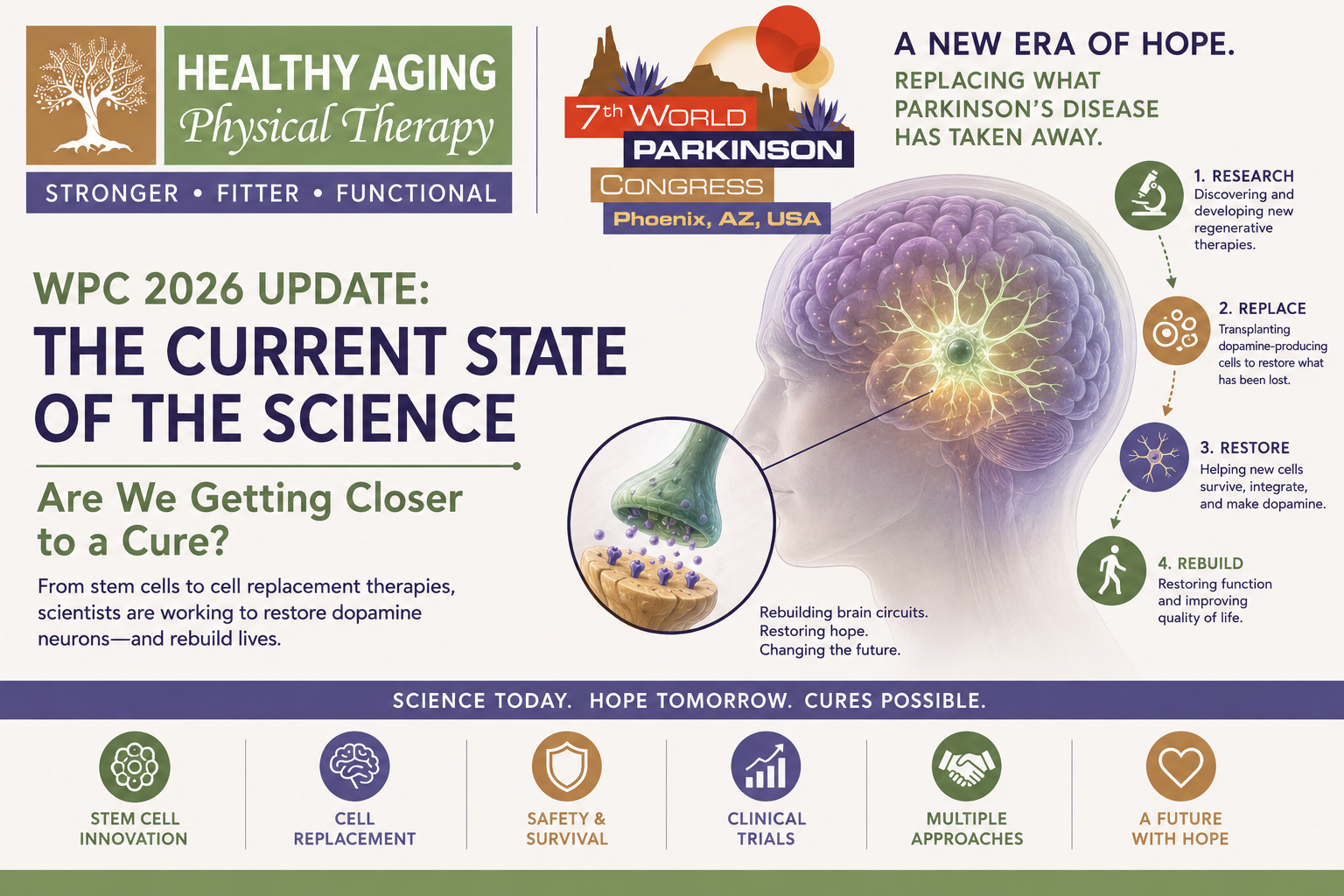
WPC 2026 Update: The Current State of the Science - Are We Getting Closer to a Cure?
Exploring stem cells, regenerative medicine, cell replacement therapies, and the realistic possibilities—and limitations—of future curative treatments.
Exploring stem cells, regenerative medicine, cell replacement therapies, and the realistic possibilities—and limitations—of future curative treatments.
If there was one topic at the World Parkinson Congress that felt the most like science fiction becoming reality, it was regenerative medicine.
For decades, Parkinson's disease treatment has focused on replacing dopamine.
Levodopa replaces dopamine chemically.
Dopamine agonists mimic dopamine's effects.
Deep brain stimulation helps modulate the networks affected by dopamine loss.
These treatments can be incredibly effective. But they all share one important limitation:
They do not replace the dopamine-producing neurons that have been lost.
Regenerative medicine asks a fundamentally different question:
What if we could replace the cells themselves?
Instead of giving the brain dopamine, could we rebuild the brain's ability to produce dopamine on its own?
It sounds almost impossible.
Yet researchers around the world are actively testing exactly that.
The Original Dream
The idea of replacing dopamine-producing neurons is not new.
In fact, scientists have been pursuing some version of this concept for more than three decades.
The rationale is straightforward.
In Parkinson's disease, dopamine-producing neurons within the substantia nigra gradually degenerate.
As these neurons disappear, dopamine levels in the striatum—particularly the putamen—decline.
The putamen plays a critical role in:
Movement initiation
Movement scaling
Motor automaticity
Coordination of movement patterns
Much of the motor disability associated with Parkinson's disease stems from the loss of dopamine input to this region.
Traditional therapies attempt to compensate for that loss.
Cell replacement therapies attempt to restore it.
Early Fetal Cell Transplants
The first major attempts at regenerative therapy involved transplantation of fetal dopamine-producing cells into the brains of people with Parkinson's disease.
Some of the results were remarkable.
A subset of patients demonstrated substantial and long-lasting improvements.
Researchers were able to show that transplanted dopamine neurons could survive, produce dopamine, and integrate into the brain.
For the first time, proof-of-concept existed.
Cell replacement appeared biologically possible.
But there were major problems.
The procedures were difficult to standardize.
Cell quality varied.
Results were inconsistent.
Ethical concerns surrounding fetal tissue limited scalability.
And researchers struggled to reproduce the most dramatic successes consistently.
While the work provided critical insights, it was not a practical path forward for widespread treatment.
The Stem Cell Revolution
Everything changed with advances in stem cell science.
One of the most important breakthroughs discussed at WPC occurred in 2012, when researchers demonstrated that adult cells could be reprogrammed into induced pluripotent stem cells (iPSCs).
This discovery earned the Nobel Prize and fundamentally transformed regenerative medicine.
For the first time, scientists could take ordinary adult cells and essentially rewind them to a stem-cell state.
Those cells could then be guided to develop into dopamine-producing neurons.
This solved one of the biggest obstacles facing earlier transplantation efforts:
Cell supply.
Researchers were no longer dependent on fetal tissue.
Instead, they could generate large numbers of dopamine neuron precursors in the laboratory.
Teaching Cells to Become Dopamine Neurons
Creating stem cells was only the first challenge.
The next challenge was teaching those cells to become the right type of neuron.
Researchers eventually learned that fully mature dopamine neurons often struggled to survive transplantation.
The solution was surprisingly elegant.
Instead of transplanting mature neurons, researchers began transplanting dopamine neuron progenitor cells—cells already committed to becoming dopamine neurons but still capable of adapting and integrating into their new environment.
You can think of them as specialized trainees rather than fully trained workers.
This approach significantly improved survival and integration after transplantation.
The ExPDite Trial
One of the most exciting regenerative medicine studies discussed at WPC was the ExPDite Trial.
This trial uses a stem-cell-derived dopamine neuron progenitor known as Bemdaneprocel.
The goal is straightforward:
Implant dopamine-producing progenitor cells directly into the putamen and allow them to mature into functioning dopamine neurons.
Participants undergo a stereotactic neurosurgical procedure in which tiny burr holes are created and cells are carefully delivered into the targeted brain region.
Because the cells originate from a donor source rather than the patient, participants require approximately one year of immunosuppression to reduce the risk of rejection.
Did It Work?
The most encouraging finding was not symptom improvement.
It was survival.
Researchers demonstrated evidence that transplanted cells survived and integrated into the brain.
That may sound like a small milestone.
It is not.
This represents one of the most important questions regenerative medicine has been trying to answer for decades.
Can transplanted dopamine-producing cells survive inside a human Parkinson's brain?
The answer now appears to be yes.
Researchers also observed improvements in motor function in some participants, although there was considerable variability between individuals.
Importantly, the study met its primary safety goals and did not demonstrate major unexpected safety concerns.
The program has now advanced into Phase 3 clinical trials.
The ASPEN Trial
Another regenerative therapy discussed extensively at WPC was the ASPEN trial.
Unlike ExPDite, ASPEN uses cells derived from the patient's own tissue.
This approach is known as an autologous therapy.
The potential advantages are obvious:
Reduced risk of rejection
Less need for immunosuppression
More personalized treatment
However, there are also challenges.
Every patient's cells must be individually manufactured, processed, and prepared.
This increases complexity, cost, and scalability concerns.
Early ASPEN results have been encouraging, but much larger studies are needed before firm conclusions can be drawn.
Why Regenerative Therapy Is So Exciting
Most disease-modifying therapies aim to slow progression.
Regenerative medicine aims to restore lost function.
That distinction is important.
Researchers often describe regenerative therapy as one of the few approaches capable of potentially rebuilding neural circuitry rather than simply preserving what remains.
If successful, this strategy could fundamentally change how we think about Parkinson's treatment.
Instead of slowing decline, we may someday be able to restore capability.
Why This Is Not Yet a Cure
As exciting as these studies are, researchers were careful to emphasize their limitations.
Replacing dopamine-producing neurons does not necessarily solve every aspect of Parkinson's disease.
Remember the themes we discussed throughout this series.
Parkinson's disease is not simply a dopamine deficiency disorder.
It also involves:
Alpha-synuclein aggregation
Neuroinflammation
Mitochondrial dysfunction
Lysosomal dysfunction
Autonomic nervous system involvement
Sleep and cognitive network changes
Even if cell replacement successfully restores dopamine production, other disease processes may continue.
In other words:
Replacing dopamine neurons may help address one major consequence of Parkinson's disease without necessarily eliminating all of the underlying causes.
The Alpha-Synuclein Problem
One of the biggest unanswered questions involves alpha-synuclein.
Researchers know that alpha-synuclein pathology can spread through the nervous system.
The question becomes:
If new dopamine neurons are transplanted into a brain already affected by Parkinson's disease, what happens over time?
Will those new cells remain healthy?
Or will they eventually develop the same pathology?
Researchers do not yet know the answer.
This remains one of the most important questions in regenerative medicine.
The Most Likely Future
One of the strongest impressions I left the conference with was that the future will probably not involve a single cure.
Instead, it may involve combinations of therapies working together.
Imagine a future where:
Biomarkers identify disease early
Alpha-synuclein therapies slow protein accumulation
Anti-inflammatory therapies reduce neuronal stress
Mitochondrial therapies improve cellular energy production
Exercise supports neuroplasticity and resilience
Regenerative therapies restore lost dopamine neurons
That future looks very different from today's treatment model.
And importantly, pieces of that future are already being tested.
So... Are We Getting Closer?
The honest answer is yes.
Not because a cure is around the corner.
Not because researchers have solved Parkinson's disease.
But because the questions researchers are asking have fundamentally changed.
For decades, the primary focus was replacing dopamine.
Today, researchers are:
Identifying biological subtypes
Detecting disease earlier
Developing disease-modifying therapies
Testing regenerative treatments
Rebuilding neural circuits
Exploring precision medicine
Those are the kinds of questions that eventually lead to transformative breakthroughs.
The Bigger Picture
One of the most hopeful messages from the World Parkinson Congress was that regenerative medicine is no longer theoretical science.
Human clinical trials are underway.
Transplanted dopamine-producing cells have survived.
They have integrated into the brain.
And researchers are beginning to see signals of functional benefit.
Many challenges remain.
Many questions remain unanswered.
But for the first time in history, researchers are not simply asking how to replace dopamine.
They are asking whether we can replace the cells that make it.
And that may be one of the most exciting developments in Parkinson's research today.
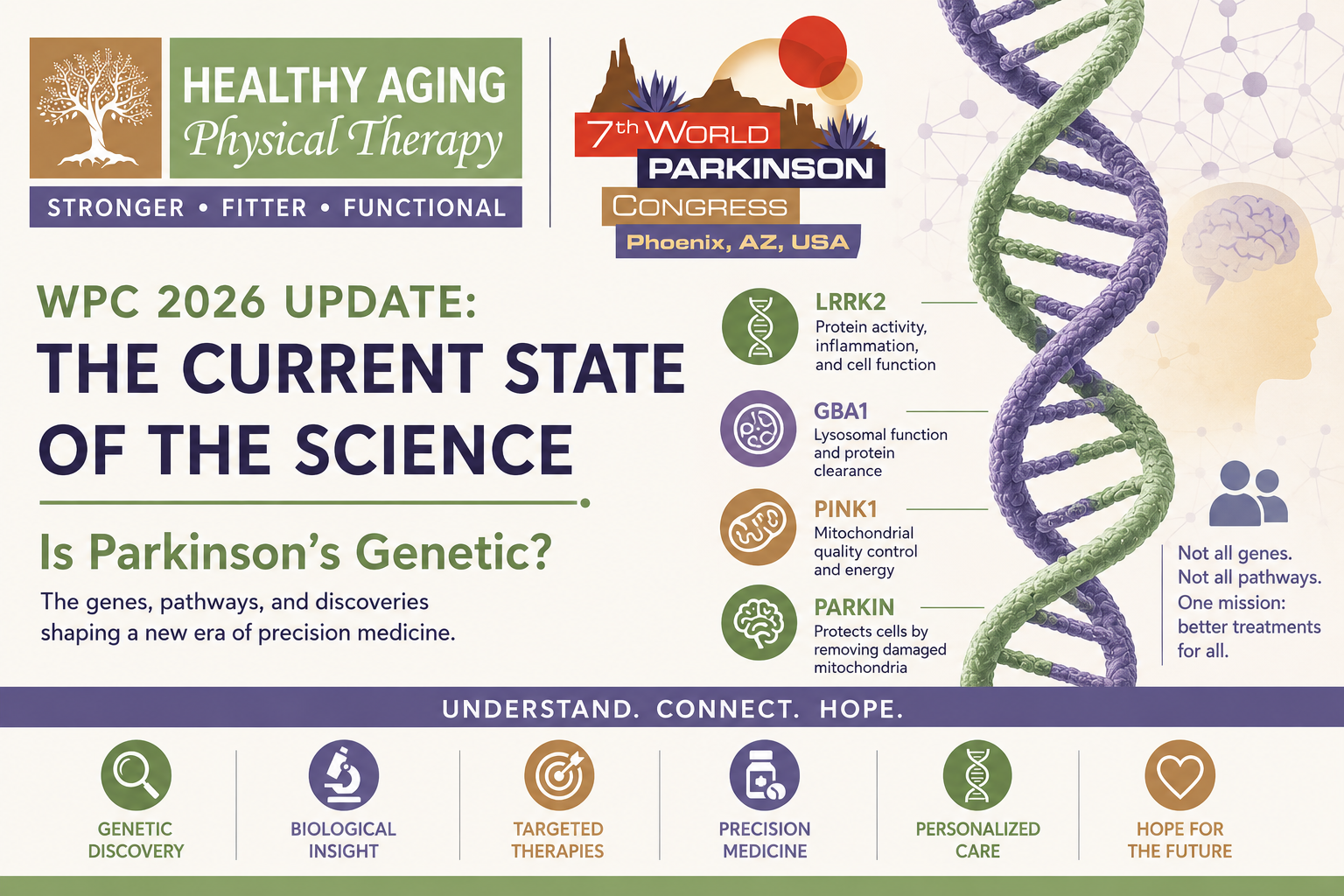
WPC 2026 Update: The Current State of the Science - Is Parkinson’s Genetic?
What scientists have learned about Parkinson's genes, why genetics matters even if you don't have a mutation, and how targeted therapies may help shape the future of treatment.
What scientists have learned about Parkinson's genes, why genetics matters even if you don't have a mutation, and how targeted therapies may help shape the future of treatment.
For many years, when patients asked whether Parkinson's disease was genetic, the answer was often simple:
"Most Parkinson's disease is not inherited."
While that statement isn't entirely wrong, it is becoming increasingly incomplete.
One of the strongest themes I heard repeatedly at the World Parkinson Congress was that genetics is transforming how researchers think about Parkinson's disease. Not because most people with Parkinson's have a genetic mutation—they don't—but because genetics is helping us understand the biological pathways that drive the disease itself.
In fact, some of the most exciting disease-modifying therapies currently being studied were developed because of discoveries made through genetic research.
The question is no longer simply:
"Is Parkinson's genetic?"
The more important question may be:
"What can genetics teach us about why Parkinson's develops in the first place?"
The Short Answer: Sometimes
Most people diagnosed with Parkinson's disease do not have a clearly identifiable inherited genetic mutation.
Researchers estimate that approximately 10–15% of Parkinson's cases have a known genetic component, while the majority are considered "idiopathic," meaning no single cause can be identified.
However, this distinction is becoming less clear.
Even when someone does not carry a known Parkinson's gene mutation, many of the biological pathways affected by genetic forms of Parkinson's appear to be disrupted in idiopathic Parkinson's disease as well.
This means genetic discoveries may ultimately help far more people than just those carrying specific mutations.
The Most Important Parkinson's Genes
Researchers have identified dozens of genes associated with Parkinson's disease risk, but a handful have emerged as particularly important because they appear to influence major biological pathways involved in disease progression.
The genes discussed most frequently throughout the conference included:
LRRK2
GBA1
PINK1
Parkin (PRKN)
Each tells us something different about how Parkinson's disease develops.
LRRK2: The Most Common Genetic Cause of Parkinson's Disease
Mutations in the LRRK2 gene represent the most common known genetic cause of Parkinson's disease.
Approximately 1–2% of all Parkinson's cases worldwide are linked to LRRK2 mutations, though rates are significantly higher in certain populations.
The LRRK2 protein plays important roles in cellular maintenance, lysosomal function, inflammation, and mitochondrial health.
At WPC, one researcher described abnormal LRRK2 activity as being:
"Like a bull in a china shop."
Instead of functioning normally, the mutated protein becomes overactive and may contribute to cellular damage over time.
Because of this, researchers have developed medications designed specifically to reduce LRRK2 activity.
Several major clinical trials are currently evaluating whether suppressing LRRK2 activity can slow disease progression.
While early results have been mixed, the field continues to view LRRK2 as one of the most promising precision medicine targets in Parkinson's disease.
GBA1: The Gene That Changed Everything
If there was one gene repeatedly mentioned throughout the conference, it was GBA1.
GBA1 mutations are among the most common genetic risk factors for Parkinson's disease.
Approximately 5–10% of people with Parkinson's disease carry a GBA1 variant.
The GBA1 gene produces an enzyme called glucocerebrosidase (often shortened to GCase).
This enzyme functions as part of the cell's waste-disposal and recycling system, known as the lysosome.
When GCase activity decreases, cells become less efficient at clearing damaged proteins and cellular debris.
This becomes particularly important because reduced GCase activity is associated with increased alpha-synuclein accumulation.
In other words, one of the major genetic pathways in Parkinson's disease appears directly connected to one of the major protein abnormalities discussed in the previous article.
Even more interesting, researchers now believe many people with idiopathic Parkinson's disease may also have reduced GCase activity despite not carrying a GBA1 mutation.
This is one reason GBA1 research has generated so much excitement.
Ambroxol: From Cough Medicine to Parkinson's Therapy
One of the most discussed GBA1 therapies at WPC was Ambroxol.
Originally developed as a cough medication, Ambroxol appears capable of increasing GCase activity and improving lysosomal function.
Researchers hope that by improving cellular waste disposal, Ambroxol may reduce alpha-synuclein accumulation and slow disease progression.
The ongoing ASPRO-PD Phase 3 trial is currently evaluating whether these biologic effects translate into meaningful clinical benefit.
The fact that a decades-old cough medication is now one of the most closely watched Parkinson's therapies highlights how rapidly the field is evolving.
PINK1 and Parkin: The Mitochondrial Connection
Two additional genes discussed frequently throughout the conference were PINK1 and Parkin.
These genes help regulate mitochondrial quality control.
Mitochondria are often described as the "power plants" of cells because they generate energy needed for cellular survival and function.
Dopamine-producing neurons have exceptionally high energy demands, making them particularly vulnerable to mitochondrial dysfunction.
Under normal circumstances, PINK1 and Parkin work together to identify damaged mitochondria and remove them before they can harm the cell.
When these systems fail, dysfunctional mitochondria accumulate, oxidative stress increases, and neurons become more vulnerable to degeneration.
One of the most important realizations emerging from modern Parkinson's research is that mitochondrial dysfunction appears to occur not only in people with PINK1 or Parkin mutations, but also in many individuals with idiopathic Parkinson's disease.
Again, a genetic discovery has helped uncover a broader biological process affecting many forms of Parkinson's disease.
Why Genetics Matters Even If You Don't Have a Mutation
One of the most important lessons from WPC was that Parkinson's genetics is no longer just about inheritance.
Genetics has become a roadmap for understanding disease biology.
Researchers are increasingly using genetic discoveries to identify:
Biological pathways involved in disease progression
New treatment targets
Potential biomarkers
Distinct Parkinson's subtypes
Precision medicine opportunities
Even if you never undergo genetic testing—or test negative for known mutations—the discoveries coming from genetic research may still influence future treatment options.
The Rise of Precision Medicine
Historically, Parkinson's disease treatment has largely followed a one-size-fits-all model.
Regardless of why someone developed Parkinson's disease, treatment approaches have been relatively similar.
That is beginning to change.
Researchers increasingly believe that Parkinson's disease may consist of multiple biologically distinct subtypes.
Some individuals may have disease driven primarily by alpha-synuclein accumulation.
Others may have stronger lysosomal dysfunction.
Others may demonstrate more prominent mitochondrial abnormalities or inflammatory processes.
This has led to a growing emphasis on precision medicine.
The goal is to match the right treatment to the right patient based on the biological mechanisms driving their disease.
Where Are Genetic Therapies Headed?
Many of today's most promising disease-modifying therapy trials are directly tied to genetic discoveries.
Researchers are currently investigating:
LRRK2 inhibitors
GBA1-targeted therapies
Lysosomal enhancers
Mitochondrial therapies
Gene therapies
RNA-based therapies
Precision medicine approaches guided by biomarkers and genetic testing
Some studies have produced encouraging results.
Others have failed to meet their primary endpoints.
But as several researchers emphasized throughout the conference, failed trials often teach us as much as successful ones.
The field continues to move forward rapidly.
The Bigger Picture
The most exciting thing about Parkinson's genetics may not be identifying who inherited a mutation.
It may be what those mutations are teaching us about the disease itself.
Genes such as LRRK2, GBA1, PINK1, and Parkin have opened windows into critical biological processes including protein clearance, mitochondrial health, inflammation, and cellular waste management.
These discoveries are helping researchers move beyond simply treating symptoms and toward therapies designed to address the underlying biology of Parkinson's disease.
And perhaps most importantly, they are helping reshape how we think about Parkinson's itself.
Rather than one disease with one cause and one treatment, Parkinson's increasingly appears to be a collection of overlapping biological pathways that may require different approaches for different people.
That shift—from symptom management toward biologically targeted precision medicine—may ultimately become one of the most important advances in Parkinson's research over the next decade.
Part 4: The New Way We Classify Parkinson's Disease
Why researchers are moving beyond symptom-based diagnosis toward biological staging systems, disease subtypes, and precision medicine.
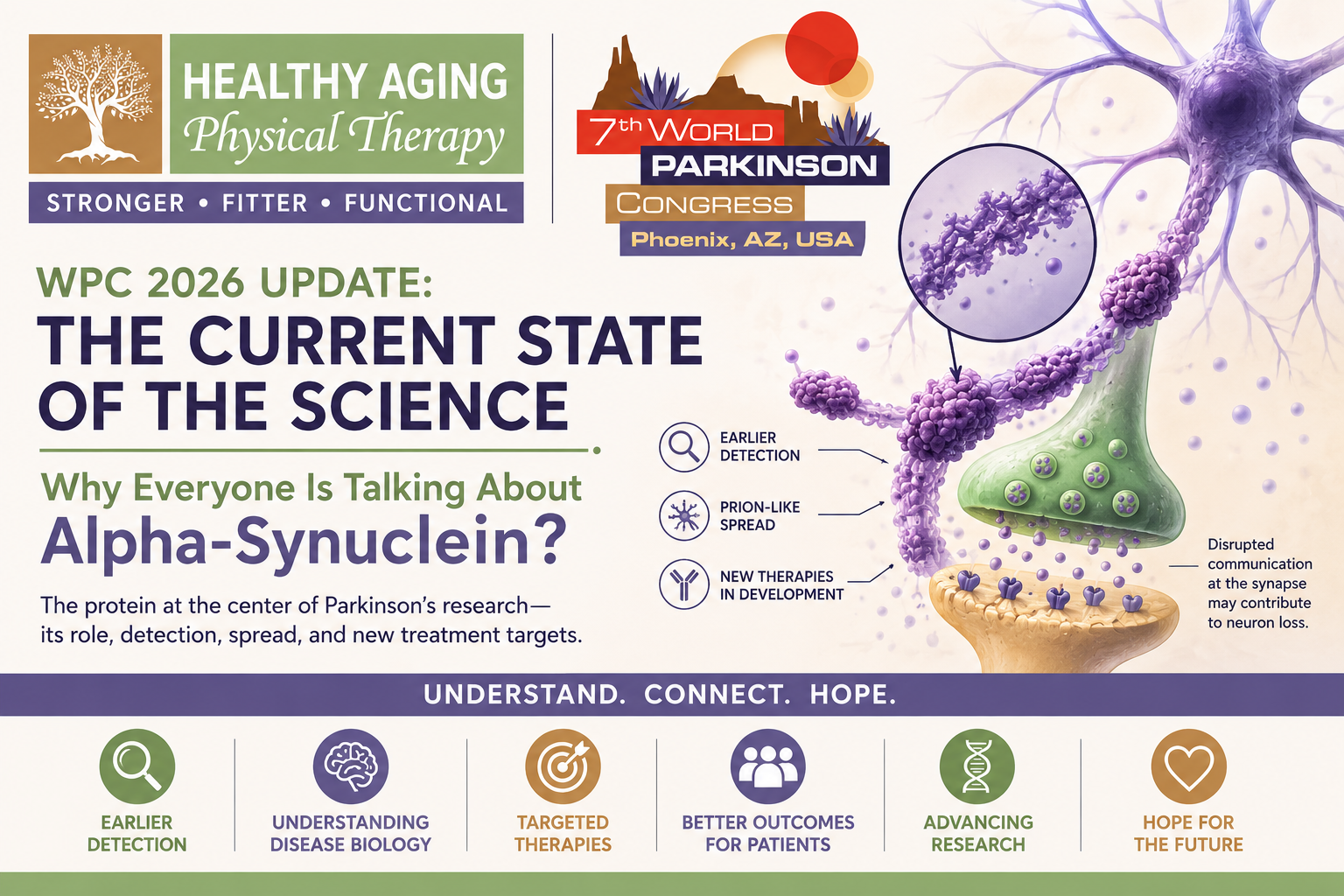
WPC 2026 Update: The Current State of the Science - Why Everyone Is Talking About Alpha-Synuclein?
What alpha-synuclein is, why it matters, how it may spread through the nervous system, and why researchers believe it could hold the key to earlier diagnosis and new treatments.
What alpha-synuclein is, why it matters, how it may spread through the nervous system, and why researchers believe it could hold the key to earlier diagnosis and new treatments.
If there was one scientific topic that seemed to appear in almost every lecture I attended at the World Parkinson Congress, it was alpha-synuclein.
Researchers discussed it in sessions on genetics. They discussed it in sessions on biomarkers. They discussed it in sessions on disease-modifying therapies, early diagnosis, neuroinflammation, and precision medicine.
In many ways, alpha-synuclein has become the center of modern Parkinson's disease research.
But what exactly is it, and why is everyone so interested in it?
The answer is both fascinating and surprisingly complicated.
First, What Is Alpha-Synuclein?
Alpha-synuclein is a protein that naturally exists in the brain and nervous system. In fact, it is one of the most abundant proteins found in neurons.
For many years, scientists didn't fully understand what it did. We now know that alpha-synuclein plays important roles in communication between nerve cells.
Specifically, it helps regulate the release and recycling of neurotransmitters—the chemical messengers that allow one nerve cell to communicate with another.
You can think of alpha-synuclein as one of the many workers helping to keep communication flowing smoothly at the synapse, the tiny gap where neurons exchange information.
In a healthy brain, alpha-synuclein appears to help organize synaptic activity, support dopamine signaling, and maintain efficient communication between neurons.
In other words, alpha-synuclein is not inherently "bad." It is a normal and important part of brain function.
What Happens in Parkinson's Disease?
The problem begins when alpha-synuclein changes shape.
Proteins must fold into specific three-dimensional structures to function properly. In Parkinson's disease, alpha-synuclein can misfold and begin sticking to other alpha-synuclein proteins.
Over time, these misfolded proteins clump together and form aggregates.
Eventually, these aggregates contribute to the formation of Lewy bodies—the abnormal protein deposits that are considered one of the hallmark pathological features of Parkinson's disease.
Researchers believe these protein clumps interfere with normal cellular function in several ways.
They may disrupt communication between neurons, interfere with cellular waste disposal systems, impair mitochondrial function, trigger inflammation, and contribute to eventual neuronal death.
Importantly, alpha-synuclein aggregation doesn't appear to affect only dopamine-producing neurons. It has been found throughout multiple regions of the nervous system, helping explain why Parkinson's disease involves much more than tremor and movement symptoms.
Does Alpha-Synuclein Spread?
One of the most intriguing theories discussed at the conference was the idea that alpha-synuclein may spread through the nervous system in a "prion-like" manner.
Prions are abnormal proteins capable of causing other proteins to misfold.
Researchers now believe misfolded alpha-synuclein may behave somewhat similarly.
The theory suggests that once one alpha-synuclein protein misfolds, it may encourage neighboring proteins to misfold as well. Those proteins may then spread to nearby cells and continue the process.
Over many years, this could potentially explain how pathology progresses through different regions of the nervous system.
While the exact mechanisms remain under investigation, growing evidence supports the idea that alpha-synuclein may move from cell to cell and contribute to the spread of disease.
Could Parkinson's Begin Outside the Brain?
This is where things become especially interesting.
Researchers are increasingly exploring the possibility that Parkinson's disease may not always begin in the brain itself.
Alpha-synuclein aggregates have been identified in the:
Gut
Enteric nervous system
Salivary glands
Skin
Olfactory system
Autonomic nervous system
Some researchers now propose that, in certain individuals, alpha-synuclein pathology may begin in the body and gradually spread toward the brain.
This concept is often referred to as the "body-first" hypothesis.
Others appear to follow a "brain-first" pattern, where pathology begins centrally and later spreads outward.
One of the major themes at WPC was that Parkinson's disease may not follow a single pathway for every individual.
Understanding these differences may eventually help explain why people experience different symptoms, progress at different rates, and respond differently to treatment.
Why Alpha-Synuclein Matters for Earlier Diagnosis
One of the biggest challenges in Parkinson's disease is that diagnosis typically occurs after substantial damage has already taken place.
Many researchers estimate that symptoms may not appear until roughly half of dopamine-producing neurons have already been lost.
This means biological changes may be occurring for years—or even decades—before diagnosis.
Because alpha-synuclein appears so early in the disease process, researchers are working intensely to develop tests capable of detecting abnormal alpha-synuclein before significant symptoms emerge.
This is where one of the most exciting developments in Parkinson's research comes in.
Seed Amplification Assays: A Potential Game Changer
Several lectures focused on a technology called a Seed Amplification Assay (SAA).
Rather than simply measuring how much alpha-synuclein is present, these tests look for whether alpha-synuclein behaves abnormally and can "seed" further aggregation.
Think of it as the difference between counting the number of people in a room versus identifying who is actively causing trouble.
Current seed amplification assays can detect abnormal alpha-synuclein in:
Cerebrospinal fluid (CSF)
Skin biopsy samples
Researchers are now working aggressively to develop reliable blood-based testing.
If successful, blood testing could dramatically improve screening, diagnosis, disease staging, and clinical trial recruitment.
Many speakers described blood-based alpha-synuclein testing as one of the major goals of the next decade.
But Here's the Controversy
As exciting as alpha-synuclein research has become, it is not without debate.
One of the most interesting discussions at WPC centered around a fundamental question:
Is alpha-synuclein actually causing Parkinson's disease, or is it simply a marker of broader neurodegenerative processes?
This question remains unresolved.
Researchers discussed several observations that complicate the picture:
Some individuals have positive alpha-synuclein seed amplification assays but do not have Parkinson's disease.
Some individuals with Parkinson's disease have negative alpha-synuclein testing.
Some people accumulate substantial alpha-synuclein pathology without developing symptoms.
Others develop symptoms with relatively modest pathology.
These findings suggest alpha-synuclein may be only one piece of a much larger biological puzzle.
Many researchers now believe Parkinson's disease likely results from interactions among multiple biological processes, including:
Alpha-synuclein aggregation
Dopamine neuron loss
Mitochondrial dysfunction
Neuroinflammation
Genetic susceptibility
Environmental influences
In other words, alpha-synuclein may be critically important without necessarily being the entire story.
What About Alpha-Synuclein Medications?
If alpha-synuclein is involved in Parkinson's disease, can we target it therapeutically?
Researchers are certainly trying.
Several strategies are currently under investigation:
Preventing alpha-synuclein aggregation
Breaking apart existing aggregates
Enhancing clearance of abnormal protein
Blocking cell-to-cell spread
Reducing alpha-synuclein production
One of the most widely discussed therapies is Prasinezumab, an antibody designed to bind alpha-synuclein and potentially reduce its spread.
While early trials did not meet their primary endpoints, some long-term analyses suggested participants receiving the medication may have progressed more slowly over time.
This has kept the field interested and ongoing studies continue.
Importantly, many speakers reminded attendees that early trial failures are common in medicine.
In fact, several medications we now consider standard therapies initially failed early studies before later becoming successful treatments.
Research rarely moves in a straight line.
The Bigger Picture
The most important takeaway from the World Parkinson Congress wasn't that alpha-synuclein is the answer to Parkinson's disease.
It was that alpha-synuclein has become one of the most powerful tools we currently have for understanding Parkinson's disease.
Whether it ultimately proves to be the primary driver of disease, one contributor among many, or simply a valuable biomarker, it is helping researchers answer some of the biggest questions in the field.
How does Parkinson's disease begin?
Can we diagnose it earlier?
Can we identify different biological subtypes?
Can we target disease before significant neurodegeneration occurs?
And can we finally develop therapies that do more than simply treat symptoms?
Those questions remain unanswered.
But after listening to researchers from around the world discuss alpha-synuclein from every possible angle, one thing became clear:
The future of Parkinson's disease research—and perhaps the future of Parkinson's treatment—is becoming increasingly biological, increasingly personalized, and increasingly focused on understanding the role of proteins like alpha-synuclein long before symptoms ever begin.
Part 3: Is Parkinson's Genetic?
A look at the genes most strongly linked to Parkinson's disease—including LRRK2, GBA1, PINK1, and Parkin—and how genetics is driving a new era of targeted therapies.
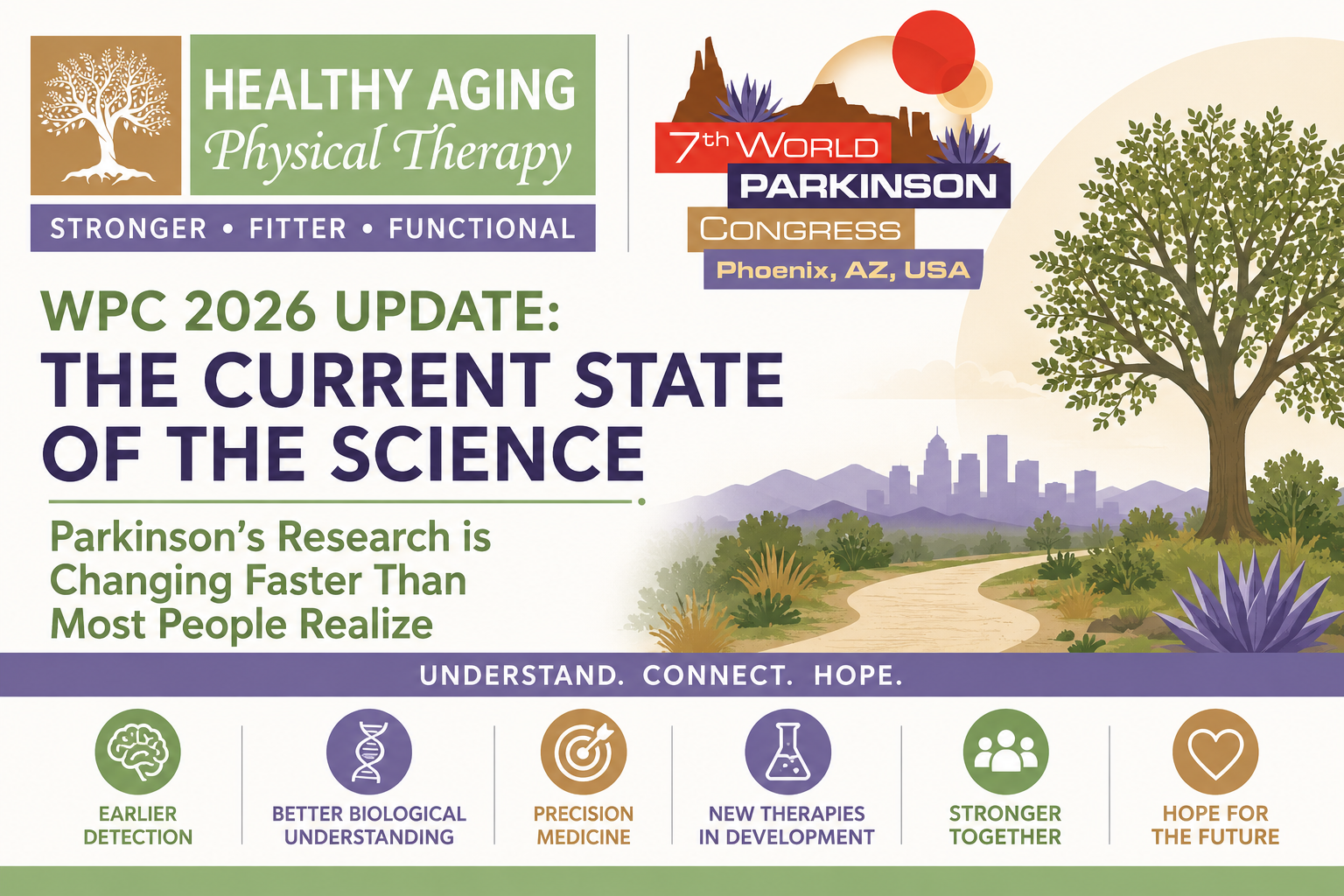
WPC 2026 Update: The Current State of the Science - Parkinson's Research is Changing Faster Than Most People Realize
One of the beautiful things about spending four days immersed in Parkinson's science is that you hear the same concepts repeated from different perspectives. Neurologists, neuroscientists, geneticists, rehabilitation specialists, and pharmaceutical researchers may all speak different scientific languages, but by the end of the week clear themes begin to emerge.
The biggest theme I heard over and over again was this:
Parkinson's research is rapidly moving toward earlier diagnosis, more accurate biological classification, and ultimately precision medicine.
One of the biggest things I took away from the World Parkinson Congress wasn't a single study, a new medication, or a groundbreaking announcement.
It was finally understanding how all the pieces of Parkinson's research are starting to connect together.
One of the beautiful things about spending four days immersed in Parkinson's science is that you hear the same concepts repeated from different perspectives. Neurologists, neuroscientists, geneticists, rehabilitation specialists, and pharmaceutical researchers may all speak different scientific languages, but by the end of the week clear themes begin to emerge.
The biggest theme I heard over and over again was this:
Parkinson's research is rapidly moving toward earlier diagnosis, more accurate biological classification, and ultimately precision medicine.
For decades, Parkinson's disease was largely viewed as a dopamine disorder. And while the loss of dopamine-producing neurons remains central to the disease, researchers now recognize that Parkinson's is far more biologically complex than we once thought.
Across lecture after lecture, four major biological processes repeatedly emerged as key players in Parkinson's disease:
• Loss of dopamine-producing neurons
• Alpha-synuclein aggregation (Lewy body formation)
• Mitochondrial dysfunction
• Neuroinflammation
These processes do not occur independently. They interact with one another in ways we are only beginning to understand.
Even more importantly, researchers increasingly believe these biological changes may begin years—perhaps even decades—before the first tremor, shuffling gait, or diagnosis.
Many experts now estimate that a person may lose 50% or more of their dopamine-producing neurons before classic motor symptoms become noticeable. If true, Parkinson's disease may already be well underway 10–20 years before diagnosis.
This realization is changing everything.
The goal is no longer simply diagnosing Parkinson's disease after symptoms appear. The goal is identifying it earlier, understanding which biological pathways are driving disease in each individual, and eventually matching people with therapies designed for their specific disease subtype.
In other words, the future of Parkinson's care may not be one treatment for everyone. It may be the right treatment for the right person at the right stage of disease.
And that future may be closer than many people realize.
What's Next in This Series
This article is the first in a series exploring the major themes that emerged from the World Parkinson Congress and the rapidly evolving landscape of Parkinson's research.
Below, I'll take a deeper dive into some of the most important topics shaping the future of diagnosis, treatment, and ultimately disease modification. You can click each link to read the next section.
Part 2: Why Everyone Is Talking About Alpha-Synuclein
What alpha-synuclein is, why it matters, how it may spread through the nervous system, and why researchers believe it could hold the key to earlier diagnosis and new treatments.
Part 3: Is Parkinson's Genetic?
A look at the genes most strongly linked to Parkinson's disease—including LRRK2, GBA1, PINK1, and Parkin—and how genetics is driving a new era of targeted therapies.
Part 4: The New Way We Classify Parkinson's Disease
Why researchers are moving beyond symptom-based diagnosis toward biological staging systems, disease subtypes, and precision medicine.
Part 5: The Race Toward Disease-Modifying Therapies
An overview of the most promising approaches currently being tested, including alpha-synuclein therapies, LRRK2 inhibitors, anti-inflammatory treatments, mitochondrial therapies, and innovative platform trials.
Part 6: Are We Getting Closer to a Cure?
Exploring stem cells, regenerative medicine, cell replacement therapies, and the realistic possibilities—and limitations—of future curative treatments.
In Summary
The more I listened to researchers, clinicians, and people living with Parkinson's throughout the Congress, the more one thing became clear: we are entering a new chapter in Parkinson's research.
Many questions remain unanswered, and progress is rarely as fast as any of us would like. But for the first time, researchers have the tools to identify biological changes earlier, classify disease more precisely, and test therapies designed to target the underlying mechanisms of Parkinson's itself.
That's a very different place than we were even a decade ago.
And it's why there is more reason for cautious optimism today than at any point to date in the journey to better understand this complex disease.